





LIBERAY LEGAL > MEDICAL NEGLIGENCE > PREVENTABLE LIMB LOSS
CLAIMING FOR PREVENTABLE LIMB LOSS
Amputation caused by medical negligence can have devastating, life-altering consequences. When healthcare professionals fail to diagnose or treat conditions promptly, or make surgical errors, patients can lose limbs that might have been saved. If you or a loved one has suffered an amputation because of medical negligence, you may be entitled to compensation.
At Liberay Legal we aim to investigate your claim quickly and hold those responsible to account. Once we receive an admission of negligence from the defendant, we will urgently obtain a condition and prognosis report from a leading specialist to identify any treatment, prosthetics, or support that may assist with your recovery and rehabilitation.
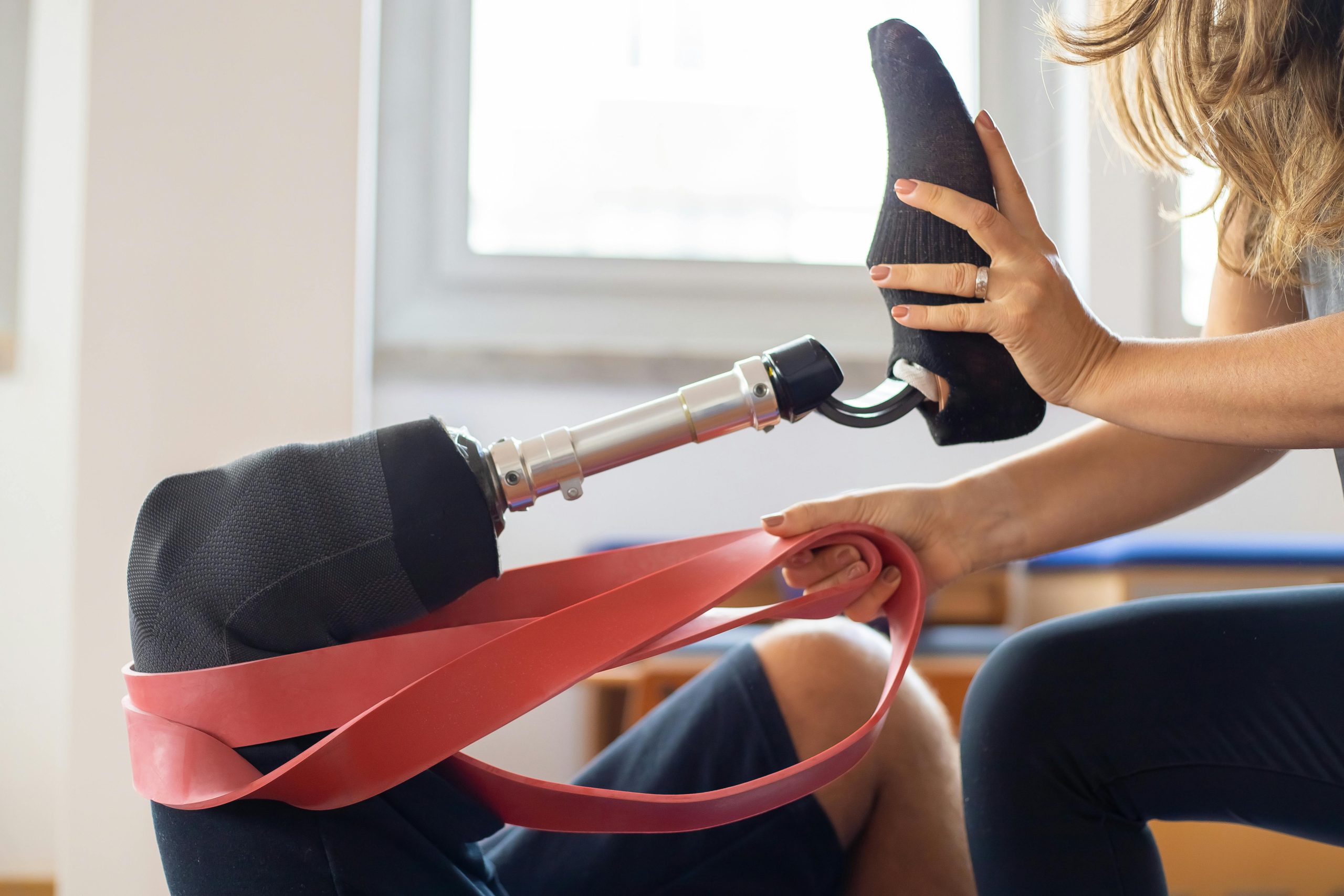
WHAT ARE THE CAUSES OF MEDICAL NEGLIGENCE LEADING TO AMPUTATION?
Medical negligence resulting in amputation can occur in several ways, including:
- Delayed diagnosis or treatment of infections
- Misdiagnosis of serious conditions like sepsis or peripheral vascular disease
- Surgical errors during procedures
- Failure to monitor circulation or blood flow
- Medication errors leading to tissue death
- Post-operative care failures
- Missed signs of gangrene or necrotising fasciitis
- Inadequate wound care management
- Post-operative care failures
- Missed signs of sepsis or gangrene
WHAT SHOULD YOU DO IF YOU SUSPECT MEDICAL NEGLIGENCE LED TO YOUR AMPUTATION?
If you believe your amputation was the result of medical negligence, it’s important to act promptly.
Gathering your medical records and consulting with one of our specialist medical negligence solicitors can help you understand whether you have a valid claim.
The sooner you seek legal advice, the better we can preserve evidence and build a strong case on your behalf.

UNDERSTANDING MORE ABOUT AMPUTATION CLAIMS
WHAT CONSTITUTES MEDICAL NEGLIGENCE LEADING TO AMPUTATION?
You may have grounds for an amputation claim if you’ve experienced:
- Persistent symptoms or infections that were dismissed or ignored
- Delays in receiving urgent treatment or specialist referrals
- Rapid deterioration that wasn’t properly monitored
- Clear warning signs that weren’t acted upon
- Surgical complications that weren’t managed appropriately
- Inadequate post-operative care or infection control
- A failure to explore limb-saving treatment options
- Lack of proper monitoring of circulation or blood supply
- Test results or scans that were incorrectly interpreted
Being aware of these warning signs can help you understand whether you may have been a victim of medical negligence.
WHAT ARE THE POTENTIAL CONSEQUENCES OF AMPUTATION?
The impact of amputation can be severe, affecting both your physical health and emotional wellbeing.
Losing a limb affects every aspect of daily life, from mobility and independence to employment and relationships. The physical challenges include learning to use prosthetics, managing phantom limb pain, and adapting your home and lifestyle. The emotional toll can be profound, affecting confidence, mental health, and quality of life.
WHAT KIND OF COMPENSATION CAN I CLAIM FOR AMPUTATION?
Compensation for amputation claims is calculated based on the specific impact the negligence has had on your life. This includes general damages for pain, suffering and loss of amenity, which compensates you for the physical and emotional impact of losing a limb, including the permanent effect on your quality of life and independence.
You can also claim special damages to cover financial losses such as prosthetics and ongoing replacements throughout your lifetime, rehabilitation and physiotherapy costs, home and vehicle adaptations, care and assistance needs, travel expenses to medical appointments, loss of earnings and future earning capacity, and psychological therapy and counselling.
Every case is unique, so the compensation amount varies significantly depending on which limb was amputated, whether the amputation could have been prevented entirely or just delayed, and the impact on your ability to work and live independently.
HOW LONG DO YOU HAVE TO MAKE A CLAIM?
Generally, you have three years from the date you became aware that negligence may have occurred to make a medical negligence claim.
However, it’s best to seek legal advice as soon as possible to ensure your claim is handled promptly and evidence is preserved.
HOW WILL LIBERAY INVESTIGATE MY AMPUTATION CLAIM?
Every case is unique, and our approach is tailored to your specific circumstances. We work with leading medical experts to thoroughly investigate what went wrong and establish whether the care you received fell below acceptable standards.
OUR APPROACH INCLUDES:
- Obtaining and reviewing all relevant medical records and surgical notes
- Consulting with independent specialists in vascular surgery, orthopaedics, or infectious diseases
- Establishing a clear timeline of when symptoms appeared and how they were managed
- Identifying where the standard of care was breached
- Securing expert medical evidence to support your claim
- Assessing whether the amputation could have been prevented with proper care
- Evaluating your ongoing needs for prosthetics, rehabilitation, and support
- Urgently arranging condition and prognosis reports once liability is admitted
UNDERSTANDING YOUR RIGHTS
Everyone deserves to receive a proper standard of medical care. When medical professionals fail in their duty and this causes harm, you have the right to seek compensation.
This compensation can help cover the cost of prosthetics, home adaptations, rehabilitation, loss of earnings, care needs, and acknowledge the pain and suffering you’ve endured.
Our specialist legal team of medical negligence experts are here to listen and guide you through the whole process.

IT’S TIME TO TAKE ACTION AND GET THE JUSTICE YOU DESERVE
Get in touch today to discuss your amputation claim with our team of medical negligence specialists. We’re here to listen, to understand, and to help you secure the best possible outcome for you and your family.


