





LIBERAY LEGAL > MEDICAL NEGLIGENCE > FATAL INJURY
CLAIMING FOR FATAL INJURY
Losing a loved one due to medical negligence is devastating, and nothing can replace the person you’ve lost. When healthcare professionals fail to provide appropriate care and this leads to a preventable death, families are left with profound grief and unanswered questions. If you’ve lost a loved one because of medical negligence, you may be entitled to compensation and the answers you deserve.
At Liberay Legal we aim to investigate your claim quickly and hold those responsible to account. We understand the profound impact of losing someone you love, and we’re committed to uncovering the truth about what happened and securing justice for your family.
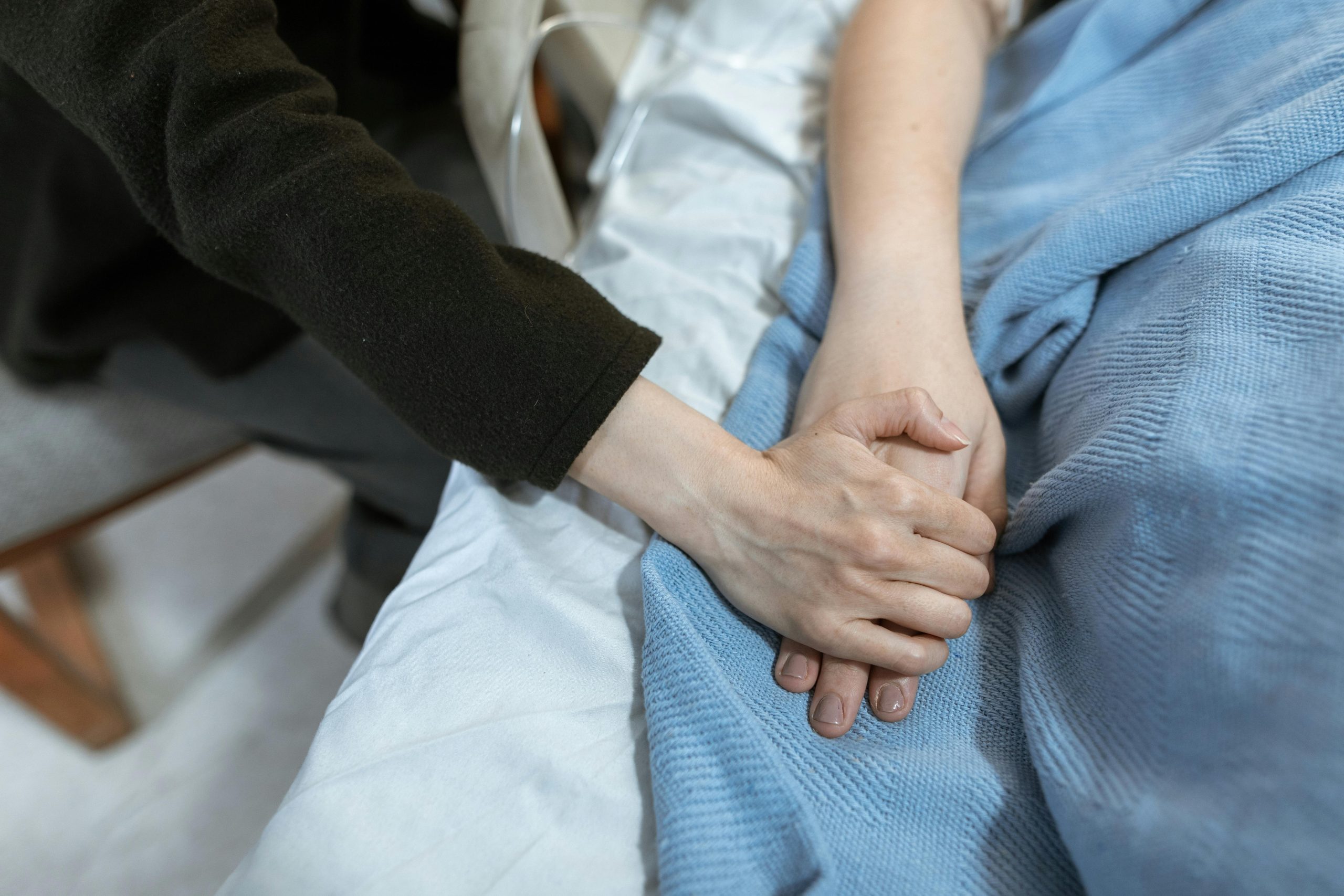
WHAT TYPES OF MEDICAL NEGLIGENCE CAN LEAD TO FATAL INJURIES?
Medical negligence resulting in fatal injuries can occur in several ways, including:
- Delayed diagnosis of serious conditions such as cancer, sepsis, or heart conditions
- Misdiagnosis or complete failure to diagnose life-threatening illnesses
- Surgical errors during operations
- Anaesthetic mistakes
- Medication errors or incorrect dosages
- Failure to monitor vital signs or deteriorating conditions
- Inadequate post-operative care
- Poor communication between medical teams leading to missed warning signs
WHAT SHOULD YOU DO IF YOU SUSPECT MEDICAL NEGLIGENCE LED TO A DEATH?
If you believe your loved one’s death was the result of medical negligence, it’s important to act promptly.
Gathering medical records and consulting with a specialist medical negligence solicitor can help you understand whether you have a valid claim.
The sooner you seek legal advice, the better we can preserve evidence and build a strong case on your behalf.

UNDERSTANDING MORE ABOUT FATAL INJURY CLAIMS
WHAT CONSTITUTES MEDICAL NEGLIGENCE IN FATAL INJURY CASES?
You may have grounds for a fatal injury claim if your loved one experienced:
- Rapid, unexplained deterioration that wasn’t properly investigated
- Symptoms or concerns that were dismissed or ignored by medical staff
- Delays in receiving emergency treatment or specialist care
- Lack of appropriate monitoring or follow-up after procedures
- Contradictory information or explanations from healthcare providers
- Missing, incomplete, or altered medical records
- Failure to escalate serious concerns to senior staff
- Inadequate response to medical emergencies
- Discharge from hospital despite serious ongoing symptoms
- Poor communication about treatment risks or options
Being aware of these warning signs can help you understand whether medical negligence may have contributed to your loved one’s death.
WHAT ARE THE CONSEQUENCES OF LOSING A LOVED ONE AS A RESULT OF MEDICAL NEGLIGENCE?
The impact of losing someone due to medical negligence extends far beyond grief.
Families experience emotional devastation, the loss of companionship and support, and often face significant financial hardship, particularly when the deceased was the main earner or provided essential care. The psychological impact can include trauma, depression, anxiety, and the profound struggle of coping with a loss that should have been prevented.
WHAT KIND OF COMPENSATION CAN I CLAIM FOR A FATAL INJURY?
Compensation for fatal injury claims is calculated based on how the loss has impacted you and your family. This includes bereavement damages, which provide a statutory award for the grief and loss suffered by immediate family members.
You can also claim dependency damages to cover financial losses such as loss of financial support your loved one would have provided, loss of services and care they contributed to the household, funeral expenses, loss of inheritance that would have been received, care costs for dependents and travel expenses related to pursuing the claim.
Every case is unique, so the compensation amount varies significantly depending on your loved one’s age and earning capacity, the level of financial dependency, the number of dependents and the specific circumstances of their death.
HOW LONG DO YOU HAVE TO MAKE A CLAIM?
Generally, you have three years from the date of death to make a fatal injury claim.
In some circumstances, the time limit may run from when you became aware that negligence may have caused the death. It’s best to seek legal advice as soon as possible to ensure your claim is handled promptly and evidence is preserved.
HOW WILL LIBERAY INVESTIGATE MY FATAL INJURY CLAIM?
Every case is unique, and our approach is tailored to your specific circumstances. We work with leading medical experts to thoroughly investigate what happened and establish whether the care your loved one received fell below acceptable standards.
OUR APPROACH INCLUDES:
- Obtaining and reviewing all relevant medical records, emergency department notes, and surgical records
- Consulting with independent medical specialists in the relevant field
- Establishing a detailed timeline of your loved one’s care and treatment
- Identifying where the standard of care was breached
- Securing expert medical evidence to support your claim
- Reviewing post-mortem reports and coroner’s findings if available
- Assessing whether the death could have been prevented with proper care
- Providing compassionate support throughout this difficult process
WHO CAN BRING A FATAL INJURY CLAIM?
Upon death if there is a will, the claim can be brought by the Executor. A grant of deed of probate will need to be applied for. If no Will exists, then the most suitable person, usually the next of kind will need to be appointed as a Personal Representative and apply for Letters of administration.
We can refer you to our specialist Wills and Estate Management team to guide you through that process.
UNDERSTANDING YOUR RIGHTS
When someone dies due to medical negligence, their family and dependents have the right to seek justice and accountability.
If medical professionals failed to provide appropriate care and this led to a preventable death, you have the right to pursue compensation. This compensation can provide financial security for your family and acknowledge the devastating loss you’ve suffered.
Our specialist legal team of medical negligence experts are here to listen and guide you through the whole process with sensitivity and compassion.

IT’S TIME TO TAKE ACTION AND GET THE JUSTICE YOU DESERVE
Get in touch today to discuss your fatal injury claim with our team of compassionate medical negligence specialists. We understand how difficult this time is for you and your family. We’re here to listen, to understand, and to help you get the answers and justice you deserve.


