





LIBERAY LEGAL > MEDICAL NEGLIGENCE > BRAIN INJURY
CLAIMING FOR BRAIN INJURY CAUSED BY MEDICAL NEGLIGENCE
A brain injury caused by medical negligence can change everything – the way you think, move, communicate, and live. When healthcare professionals fail to meet the standard of care you are entitled to, the consequences can be permanent and profoundly life-altering for you and your entire family.
At Liberay Legal, we understand the weight of what you are facing. If you or a loved one has suffered a brain injury as a result of substandard medical care, you may be entitled to compensation. Our specialist medical negligence solicitors are here to listen, to investigate what went wrong and to help you secure the best possible outcome.
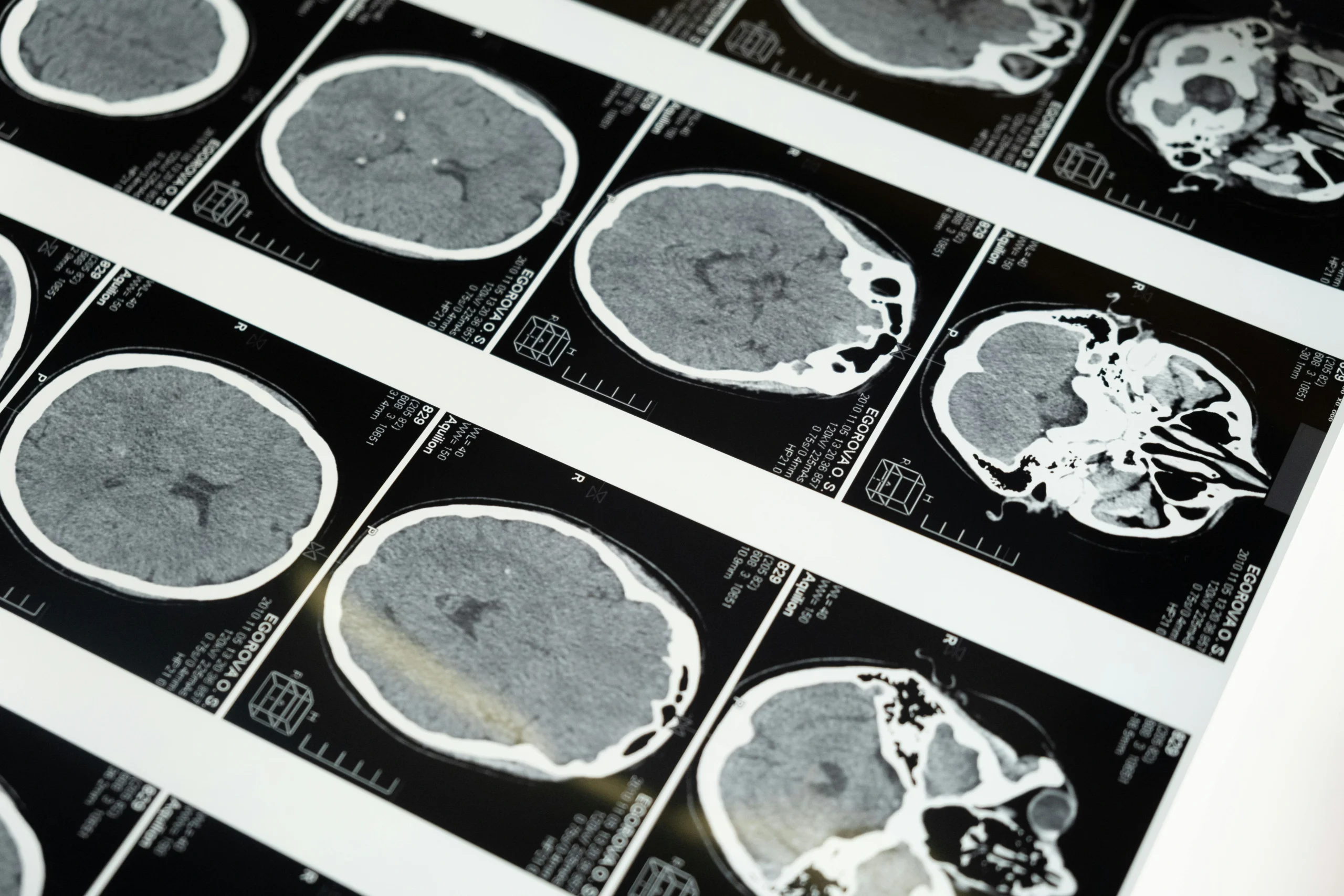
WHAT IS A BRAIN INJURY MEDICAL NEGLIGENCE CLAIM?
Medical negligence occurs when a healthcare professional or institution fails to provide the standard of care that a reasonably competent practitioner would have delivered, and that failure directly causes harm. When the harm involves the brain, one of the body’s most complex and delicate organs, the impact can be devastating and lasting.
Brain injury medical negligence can arise across a wide range of clinical settings, including emergency departments, operating theatres, maternity wards, GP surgeries and specialist neurology units.
Common causes include:
- Delayed diagnosis or misdiagnosis of stroke, brain haemorrhage, or meningitis
- Failure to act on symptoms of raised intracranial pressure or hypoxia
- Surgical errors during brain or neurosurgical procedures
- Anaesthesia errors leading to oxygen deprivation (hypoxic brain injury)
- Negligent management of head trauma in an A&E setting
- Birth-related brain injuries, including hypoxic-ischaemic encephalopathy (HIE)
- Failure to diagnose and treat meningitis, encephalitis, or a brain abscess
- Delayed referral to a specialist neurologist or neurosurgeon
- Medication errors that cause neurological damage
- Post-operative complications left untreated or poorly monitored

DO I HAVE GROUNDS FOR A BRAIN INJURY MEDICAL NEGLIGENCE CLAIM?
You may have grounds for a claim if you or a loved one has experienced any of the following:
- Symptoms of a stroke, bleed on the brain, or other neurological emergency that were dismissed, misinterpreted, or not acted upon promptly
- A brain injury sustained during surgery due to a surgical or anaesthetic error
- A brain injury at birth caused by delays in delivery, improper use of forceps or ventouse, or failure to respond to signs of foetal distress
- A delayed diagnosis of meningitis, encephalitis, or a brain tumour that resulted in avoidable damage
- Head trauma that was inadequately assessed or monitored in an emergency setting
- A significant deterioration in condition that a healthcare professional failed to prevent
- Being discharged too early following a head injury, leading to further harm
Being aware of these warning signs can help you understand whether you may have been a victim of medical negligence. If you are unsure, our team can review the circumstances and provide a clear, honest assessment of whether a claim is viable.

WHAT IS THE DIFFERENCE BETWEEN A TRAUMATIC BRAIN INJURY AND AN ACQUIRED BRAIN INJURY IN THE CONTEXT OF A NEGLIGENCE CLAIM?
Brain injuries vary greatly in their severity, but even a moderate acquired brain injury can have far-reaching consequences. The effects are not only physical. They extend to cognitive function, emotional wellbeing, relationships, and the ability to work and live independently.
Some of the most common effects of a brain injury include:
- Physical effects: paralysis, weakness, loss of coordination, seizures, headaches, and difficulties with speech or swallowing
- Cognitive effects: problems with memory, concentration, processing speed, and executive function
- Emotional and behavioural changes: mood swings, depression, anxiety, personality changes, and difficulty regulating emotions
- Communication difficulties: aphasia, dysarthria, and challenges understanding or expressing language
- Impact on daily life: inability to work, reliance on full-time care, and loss of independence

The emotional toll on patients and their families can be profound and long-lasting. Caring for a loved one with a serious brain injury is enormously demanding, and the financial pressures , from lost income to round-the-clock care costs, can be overwhelming. A successful claim can provide the financial foundation needed to access specialist rehabilitation, adapt the home, and plan for the future.

UNDERSTANDING MORE ABOUT BRAIN INJURY CAUSED BY NEGLIGENCE
CAN I CLAIM COMPENSATION IF A BRAIN INJURY WAS CAUSED BY A DELAY IN DIAGNOSIS?
Yes. Delayed diagnosis is one of the most common forms of brain injury medical negligence. If a healthcare professional failed to identify the signs of a stroke, brain haemorrhage, meningitis, or another neurological emergency in a timely manner, and that delay directly caused or worsened a brain injury, you may have a valid claim. Our solicitors will investigate the timeline of your care and instruct independent neurological experts to establish what should have happened and when.
WHAT IS THE DIFFERENCE BETWEEN A TRAUMATIC BRAIN INJURY AND AN ACQUIRED BRAIN INJURY IN THE CONTEXT OF A NEGLIGENCE CLAIM?
A traumatic brain injury (TBI) is caused by an external force, such as a blow to the head. An acquired brain injury (ABI) is any brain injury that occurs after birth that is not hereditary, including those caused by oxygen deprivation, infection, or surgical error. Medical negligence claims most commonly involve acquired brain injuries — for example, a hypoxic brain injury caused by an anaesthetic error, or brain damage resulting from a delayed diagnosis of meningitis. Both types of injury can give rise to a negligence claim, provided the injury was caused or worsened by a breach in the duty of care owed by a healthcare professional.
CAN I CLAIM ON BEHALF OF A LOVED ONE WHO HAS A BRAIN INJURY AND CANNOT MANAGE THEIR OWN AFFAIRS?
Yes. Where a person lacks the mental capacity to bring a legal claim themselves (which is common in cases of severe brain injury) a close family member or carer can act as their litigation friend and bring a claim on their behalf. There is no time limit on bringing a claim while the incapacity continues. We regularly support families in this position and can guide you through the process with care and sensitivity.
HOW MUCH COMPENSATION COULD I RECEIVE FOR A BRAIN INJURY NEGLIGENCE CLAIM?
Brain injury compensation varies significantly depending on the severity of the injury, its long-term consequences, and the full extent of your financial losses. Serious brain injury claims, particularly those involving permanent disability, loss of employment and significant care needs can result in very substantial awards. Compensation is divided into general damages (for pain, suffering, and loss of amenity) and special damages (for financial losses including lost earnings, care costs, rehabilitation, and home adaptations). Our specialist solicitors work with a range of independent experts to ensure every aspect of your claim is properly valued.
WHAT EVIDENCE WILL I NEED FOR A BRAIN INJURY MEDICAL NEGLIGENCE CLAIM?
Yes. If the negligence occurred in an NHS hospital, GP surgery, or other NHS setting, your claim will typically be brought against the relevant NHS Trust or, in the case of a GP, NHS Resolution. Making a claim against the NHS is the same legal process as any other medical negligence claim. Successful NHS brain injury claims are handled through NHS Resolution and, where necessary, through the courts. Holding the NHS to account can also lead to improvements in clinical practice, helping to prevent similar injuries in the future.
WHAT EVIDENCE WILL I NEED FOR A BRAIN INJURY MEDICAL NEGLIGENCE CLAIM?
Your medical records will be the foundation of any claim. With your permission, we obtain these directly from the relevant healthcare providers. We will also instruct independent medical experts. These are typically neurologists, neuropsychologists and where appropriate care and employment specialists. Alongside these specialists, we’ll review the records and provide expert opinion on the standard of care you received and the impact of the negligence. You do not need to gather this evidence yourself; our team handles the full investigative process on your behalf.
CAN I MAKE A CLAIM AGAINST THE NHS?
Your medical records will be the foundation of any claim. With your permission, we obtain these directly from the relevant healthcare providers. We will also instruct independent medical experts. These are typically neurologists, neuropsychologists and where appropriate care and employment specialists. Alongside these specialists, we’ll review the records and provide expert opinion on the standard of care you received and the impact of the negligence. You do not need to gather this evidence yourself; our team handles the full investigative process on your behalf.
HOW LONG WILL A BRAIN INJURY NEGLIGENCE CLAIM TAKE?
Brain injury claims are among the most complex in medical negligence law, and it is important to be realistic about timescales. Straightforward cases may settle within 12 to 24 months, but cases involving serious or catastrophic brain injuries (where the long-term prognosis is still emerging and multiple expert disciplines are involved) can take considerably longer. Our approach is to seek an early admission of liability and request interim payments as soon as possible, so that your rehabilitation and care needs can be met without waiting for the case to conclude.
IS THERE A TIME LIMIT FOR MAKING A BRAIN INJURY NEGLIGENCE CLAIM?
In most cases, you have three years from the date you became aware that the brain injury may have been caused by negligence. However, there are important exceptions: children have until their 21st birthday to bring a claim, and where the injured person lacks mental capacity, no time limit applies for as long as that incapacity continues. We strongly recommend getting in touch as soon as possible so that evidence can be preserved and the strongest possible case can be built.
WHAT IF THE BRAIN INJURY HAPPENED DURING A BIRTH?
Birth-related brain injuries are a specialist area of medical negligence law. They can arise from a wide range of failures, including delayed emergency C-section, improper use of delivery instruments, failure to respond to signs of foetal distress, and inadequate management of oxygen deprivation during labour. If your child suffered a brain injury at birth, including conditions such as hypoxic-ischaemic encephalopathy (HIE) or cerebral palsy, you may have grounds for a claim. Because the injured person is a child, the three-year limitation period does not begin until their 18th birthday. Our team has extensive experience in birth injury claims and will support your family throughout the process.
UNDERSTANDING YOUR RIGHTS
Everyone deserves to receive a proper standard of medical care. When medical professionals fail in their duty and this causes harm, you have the right to seek compensation.
This compensation can help cover the cost of additional treatment, corrective surgery, psychological support, loss of earnings, care needs, and acknowledge the pain and suffering you’ve endured.
Our specialist legal team of medical negligence experts are here to listen and guide you through the whole process.

IT’S TIME TO TAKE ACTION AND GET THE JUSTICE YOU DESERVE
We know that pursuing a legal claim is the last thing you may feel able to deal with when you are managing the effects of a serious brain injury. Our role is to take that burden off your shoulders and handle the legal process with skill, sensitivity, and determination. Get in touch with our specialist team today.


