





LIBERAY LEGAL > MEDICAL NEGLIGENCE > SURGICAL NEGLIGENCE
SURGICAL NEGLIGENCE CLAIMS
Surgical negligence can have devastating, life-altering consequences. When a surgeon, anaesthetist, or surgical team fails to meet the required standard of care, before, during, or after an operation, patients can suffer serious harm that should never have happened.
If you or a loved one has been injured as a result of a surgical error, you may be entitled to compensation.
At Liberay Legal we aim to investigate your claim quickly and hold those responsible to account.
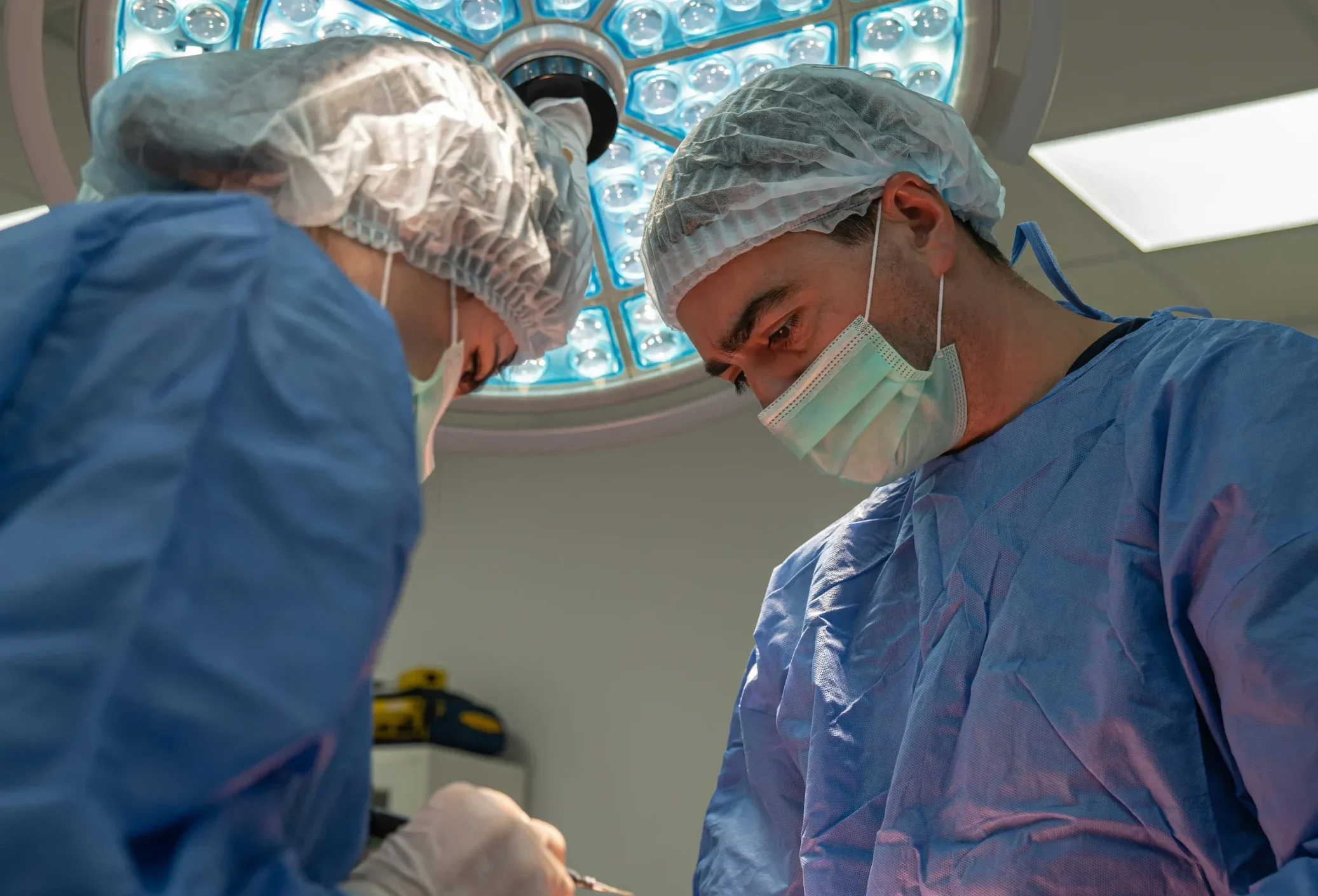
WHAT IS SURGICAL NEGLIGENCE?
Surgical negligence occurs when a medical professional carrying out or assisting with a surgical procedure falls below the standard of care that a competent surgeon would be expected to provide. This is not simply an unavoidable complication – all surgery carries inherent risk. Surgical negligence arises when an error is made that a reasonably skilled professional would not have made, and that error causes you harm.
To bring a successful claim, two things must be established: first, that the surgical team breached their duty of care to you; and second, that this breach directly caused your injury or worsened your condition. Our specialist team will work with independent medical experts to assess exactly what went wrong and what impact it has had on your life.

HOW CAN SURGICAL NEGLIGENCE OCCUR?
Surgical negligence can take many forms. Some of the most common examples include:
- Wrong-site surgery — operating on the wrong limb, organ, or area of the body
- Retained surgical instruments — swabs, clamps, or other instruments left inside the body after an operation
- Unnecessary surgery — an operation that was not clinically indicated and which caused avoidable harm
- Anaesthetic errors — administering too much or too little anaesthetic, or failing to monitor the patient adequately during surgery
- Perforations and lacerations — accidental damage to surrounding organs, blood vessels, or nerves
- Failure to obtain informed consent — performing surgery without properly explaining the risks, alternatives, or expected outcomes
- Post-operative negligence — failure to monitor, manage, or respond to complications following surgery
- Delayed or cancelled surgery — unreasonable delays that lead to a significantly worsened condition or outcome
- Infections — surgical site infections caused by failure to follow appropriate hygiene or sterile protocols
- Inadequate pre-operative assessment — failing to identify risks that should have altered the surgical approach or prevented the operation
If you believe your surgery did not go as it should have, it is important to act promptly. Gathering your medical records and consulting with a specialist medical negligence solicitor can help you understand whether you have a valid claim.

SIGNS YOU MAY HAVE A SURGICAL NEGLIGENCE CLAIM
You may have grounds for a surgical negligence claim if you have experienced:
- Complications that your surgical team failed to warn you about beforehand
- A discovery that an instrument, swab, or foreign object was left inside your body
- Surgery on the wrong part of your body
- A significantly worse outcome than was clinically expected or explained to you
- Nerve, organ, or tissue damage that was not an anticipated risk of your operation
- A serious infection or sepsis following surgery that went unrecognised or was poorly managed
- A procedure carried out without your full, informed consent
- A post-operative deterioration that was not properly investigated or treated
Being aware of these warning signs can help you understand whether you may have been a victim of medical negligence. The impact of surgical negligence can be severe and long-lasting, affecting your physical health, your ability to work, and your emotional wellbeing. In the most serious cases, surgical errors can result in permanent disability or the need for further corrective surgery that adds to your suffering.

THE IMPACT OF SURGICAL NEGLIGENCE
No one undergoes surgery expecting to emerge in a worse condition than before. When something goes wrong that should not have, the consequences can reach into every area of your life.
Physically, surgical negligence can cause chronic pain, loss of function, disfigurement, or a condition that now requires more extensive treatment than originally necessary. Emotionally, many people experience anxiety, depression, and a profound loss of trust in medical professionals. Financially, the impact can be equally serious — time away from work, the cost of private corrective treatment, ongoing care needs, and necessary adaptations to your home or lifestyle all add up quickly.
At Liberay Legal, we understand that making a claim while recovering from serious harm is never easy. Our specialist team is here to carry as much of the burden as possible, so that you can focus on your recovery.


UNDERSTANDING MORE ABOUT SURGICAL NEGLIGENCE
WHAT IS THE DIFFERENCE BETWEEN A SURGICAL COMPLICATION AND SURGICAL NEGLIGENCE?
All surgical procedures carry inherent risk, and not every complication amounts to negligence. A complication becomes negligence when it results from a failure to meet the standard of care expected of a competent surgeon – for example, failing to warn you of a risk that a reasonable surgeon would have disclosed, or making an error that a reasonably skilled professional would not have made. Our specialist team can help you understand whether what happened to you was an avoidable error.
CAN I CLAIM IF THE SURGERY WAS CARRIED OUT ON THE NHS?
Yes. Claims can be brought against NHS trusts and private healthcare providers alike. The standard of care required does not differ depending on whether you were treated privately or through the NHS, and you have the same legal rights in either case.
WHAT IF I SIGNED A CONSENT FORM BEFORE THE SURGERY?
Signing a consent form does not prevent you from making a claim. For consent to be valid, you must have been given sufficient information about the risks, benefits, and alternatives to the procedure. If you were not properly informed, this can itself constitute negligence, known as a failure to obtain informed consent.
CAN I CLAIM FOR A LOVED ONE WHO HAS DIED?
Yes. If a family member has died as a result of surgical negligence, a claim can be brought on behalf of their estate and their dependants under the Fatal Accidents Act 1976. Compensation in such cases can include bereavement damages and loss of financial dependency. You generally have three years from the date of death to bring a claim.
HOW LONG WILL A SURGICAL NEGLIGENCE CLAIM TAKE?
Surgical negligence claims can take time to resolve, as they often require detailed medical expert evidence. Many claims are settled within two to four years, though more complex cases can take longer. Our approach is always to seek an early admission of liability where possible, which can allow interim payments to be made to help meet your needs while the full value of the claim is assessed.
WILL I HAVE TO GO TO COURT?
The vast majority of surgical negligence claims are resolved through a negotiated settlement before they ever reach a courtroom. However, if a fair settlement cannot be agreed, we will be fully prepared to represent you in court. We will always advise you on the best course of action at every stage.
WHAT EVIDENCE WILL I NEED FOR A SURGICAL NEGLIGENCE CLAIM?
The most important piece of evidence in any surgical negligence claim is your medical records. With your authorisation, we will request these directly from the relevant hospital or healthcare provider. We will then instruct independent medical experts to review the records and advise on whether the care you received fell below the required standard and whether this caused your harm.
UNDERSTANDING YOUR RIGHTS
Everyone deserves to receive a proper standard of medical care. When medical professionals fail in their duty and this causes harm, you have the right to seek compensation.
This compensation can help cover the cost of additional treatment, corrective surgery, psychological support, loss of earnings, care needs, and acknowledge the pain and suffering you’ve endured.
Our specialist legal team of medical negligence experts are here to listen and guide you through the whole process.

IT’S TIME TO TAKE ACTION AND GET THE JUSTICE YOU DESERVE
Surgical negligence can turn your life upside down. If you or a loved one has suffered because of a surgical error, you do not have to face it alone. Our specialist medical negligence team is here to listen, to understand, and to help you secure the best possible outcome for you and your family.
Get in touch today for a free, no-obligation consultation with one of our surgical negligence experts.


