





*9am-5pm (Mon-Fri)
PEST INFESTATIONS
CLAIMING FOR PEST INFESTATIONS IN YOUR HOME
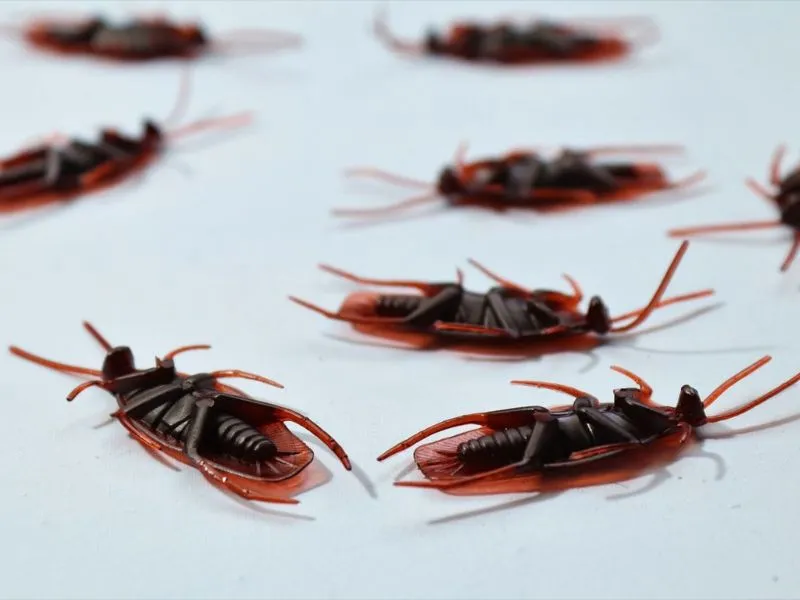
Pest infestations in a rental property can be both distressing and harmful to your health and well-being.
Whether it’s rodents, bed bugs, or other pests, it’s essential to understand what causes infestations, how to handle the situation, and your rights as a tenant when dealing with this issue.
If your home is affected by pests, it’s important to act swiftly and if your landlord doesn’t do this promptly, you could be entitled to compensation.
What can cause a pest infestation in a property?
Pests can enter a property through various means, and the cause of an infestation may not always be obvious. Common causes of pest problems include:
- Entry points created from cracks, holes, or poorly sealed doors and windows.
- Poorly maintained kitchens and bathrooms.
- Your property is in an area prone to pests (near garbage dumps, dense vegetation, or old buildings).
- Areas of your home with excessive clutter or moisture.
- Access points through leaks in walls, ceilings, or flooring.
Understanding the cause of the infestation is important for resolving the issue effectively. If you’ve identified pests in your home, it’s time to take action.
How to spot signs of infestation
- Droppings or fecal matter – look for small, dark pellets.
- Gnaw marks – check for chew marks on wires, wood, or furniture.
- Visible pests – spot insects, rodents, or their nests.
- Damage – check for holes in food packaging, clothes, or upholstery.
- Odours – foul, musty smells, or the scent of decay.
- Sound – listen for sounds of scurrying, scratching, or fluttering.
By being observant of these signs, you can catch a potential pest problem early and take appropriate action.
What to do if you spot a pest infestation in your home
Before contacting your landlord about a pest infestation, it’s important to assess the situation thoroughly.
Early reporting helps prevent the problem from worsening and shows you’ve acted responsibly. The longer you wait, the worse the problem can get, so it’s crucial to report the issue as soon as you notice it – ideally within 24 to 48 hours.
Prompt action helps prevent the spread of pests and reduces the potential for health risks and property damage.
REVIEWING THE PEST PROBLEM
Step 1
Identify the type of pest
- Rodents – look for droppings, gnaw marks, and nesting items such as shredded paper.
- Insects – check for visible pests and look for signs such as dead insects.
- Bed bugs – look for signs such as small rust-colored stains, shed skins, or live bed bugs around mattress seams, headboards, or furniture crevices.
Step 2
Check the extent of the infestation
- Look for signs of pests in multiple areas of your home.
- Measure how far the infestation has spread.
- Note areas that are more severely affected such as damaged furniture or carpets.
Step 3
Examine the source
- Try to identify possible entry points for the pests, such as cracks in the walls, gaps around windows, or damaged doors.
- Check if any household habits may be contributing to the infestation such as improperly stored food, leaving pet food out, or not sealing trash.
Step 4
Assess the impact
- Note any damage caused by pests, such as chewed cables, gnawed furniture, or holes in walls.
- Consider any health concerns linked to the infestation, such as bites, allergic reactions, or the spread of diseases.
Step 5
Gather evidence
- Document the pest problem by taking clear photos of affected areas and pests.
- Keep a written record of when you first noticed the problem and any steps taken to manage it such as setting traps or using repellents.
Step 6
Get in touch
- Contact your council or housing association in writing, providing details of the pest problem, any possible causes or sources and any steps you’ve taken to address it.
- This information can help them understand the severity of the situation and are more likely to take appropriate action.
What not to do?
The worst thing you can do when dealing with a pest infestation is ignore the issue or leave it unreported. This allows the problem to worsen and can lead to long-term damage.
It’s important to contact your landlord or housing association as soon as possible so they can assess the situation properly.
By concealing the infestation, such as blocking entry points or cleaning up droppings, you prevent your landlord from fully understanding the extent of the problem, which can delay necessary repairs and pest control actions.
Ensuring they can properly inspect the issue is the first step to getting it treated and resolved promptly.
How do pet infestations affect human health?
Pest infestations can lead to several health risks, especially for those with asthma, allergies, or weakened immune systems.
- Carry diseases like leptospirosis and salmonella.
- Trigger asthma and allergies, especially in children.
- Causes skin irritation, rashes, and sleep disturbances.
- Itching, swelling, and allergic reactions from bites.
When is an infestation most problematic?
Certain situations make pest infestations more problematic:
- If the infestation leads to health risks, such as respiratory problems or the spread of diseases, it should be prioritised for immediate action.
- Bed bugs can disrupt sleep and cause significant discomfort due to itching and anxiety.
- An unchecked rodent infestation can lead to significant property damage, such as chewing through wires, insulation, and furniture.
Infestations may be especially problematic in older buildings where structural issues allow pests to thrive.
HOW LONG SHOULD YOU WAIT TO GET THE PROBLEM FIXED?
Once you report an infestation to your landlord, they are legally required to take appropriate action.
The urgency of the response will depend on the severity of the infestation.
For example:
- Urgent cases: If the infestation is widespread or poses a health risk, repairs and treatments should be initiated immediately.
- Non-urgent cases: If the infestation is relatively minor, the landlord may take a bit longer to address the issue, but they should still act within a reasonable timeframe.
If your landlord fails to act within a reasonable period, you should follow up in writing, document your communications, and seek advice from our legal team today.
The type and cause of the damp will determine how it should be fixed. Your landlord will be encouraged to obtain a professional assessment to identify the most effective solution for permanently resolving the issue.
How will the problem get fixed?
The approach to resolving a pest infestation will vary based on the type of pest and the severity of the issue:
- Pest control services: A professional pest control service may be required to treat and eliminate the infestation. This could involve chemical treatments, traps, or other methods depending on the pest.
- Structural repairs: If the infestation is due to structural problems (e.g., holes in walls or cracks in windows), the landlord may need to repair these entry points to prevent further infestations.
- Cleaning and sanitation: In some cases, additional cleaning or sanitation work will be needed to remove food sources or nesting areas for pests.
It’s important that these repairs and treatments are carried out by professionals to ensure safety and effectiveness.
Understanding your rights as a tenant
As a tenant, you have the right to a safe, pest-free home. If your property is infested and your landlord fails to address it properly, you may be entitled to compensation.
If you are experiencing a pest infestation in your rental property, don’t wait to take action.


