


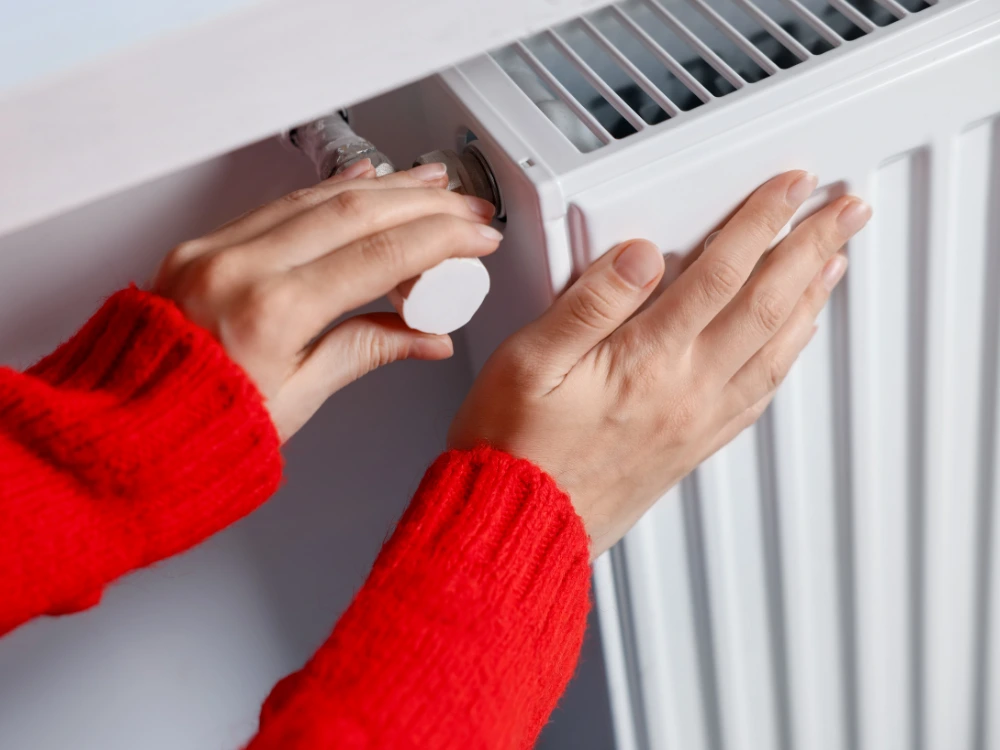
As temperatures drop, a broken boiler or faulty heating system stops being an inconvenience and starts being a serious problem. Living without adequate heating in winter isn’t just uncomfortable – it’s a health risk, and in many cases it’s something your landlord is legally required to fix.
If you’re renting from a council or housing association and your landlord has failed to repair your heating despite being told about the problem, you don’t have to put up with it. A lot of tenants don’t know their rights in this situation – and that lack of awareness is costing people the compensation they’re entitled to.
This guide covers what your rights are, what steps to take, and what happens if your landlord still won’t act.
What Are Your Rights as a Tenant When It Comes to Heating?
Your landlord has a legal duty to keep the heating and hot water systems in your home in working order. That’s not a matter of goodwill – it’s a legal obligation.
Under the Landlord and Tenant Act 1985, landlords are responsible for keeping all installations for space heating and water heating in repair and proper working order. The Homes (Fitness for Human Habitation) Act 2018 goes further still – requiring that rented properties are fit for human habitation throughout the tenancy, not just at the point of moving in.
A home without adequate heating in winter is not fit for human habitation. Full stop.
These obligations apply to councils and housing associations just as they apply to private landlords. If your heating has broken down and your landlord is failing to fix it, the law is firmly on your side.
What Counts as a Heating Disrepair Issue?
- A broken or non-functioning boiler
- Faulty or broken radiators in one or more rooms
- No hot water
- Heating that works but doesn’t reach a reasonable temperature
- Broken thermostats or heating controls
- Communal heating systems in flats that aren’t being properly maintained
On the question of reasonable temperature – the World Health Organisation recommends a minimum of 18 degrees in bedrooms and 21 degrees in living areas. If your heating system can’t reach those levels, that’s a disrepair issue worth pursuing.
It’s also worth knowing that damp and mould often follow a heating failure. The two problems are closely connected – inadequate heating leads to condensation, which leads to mould. If that’s happening in your home, the disrepair issue is more serious than the boiler alone.
If any of these sound familiar, your home could genuinely be making your family’s health worse and that’s not something you should simply have to put up with.
What Should You Do If Your Landlord Won’t Fix the Heating?
Report the Problem in Writing
This is the most important first step – and one that a lot of tenants skip. Always report repairs in writing, whether by email or letter, so there’s a clear paper trail. Be specific about what the problem is and when it started, and keep copies of everything.
If you’ve already reported the problem verbally, follow it up in writing now with today’s date. That written record is what protects you later.
Give Your Landlord a Reasonable Time to Respond
For urgent repairs – and a broken heating system in winter absolutely qualifies as urgent – the expected response time is significantly shorter than for non-urgent issues. Your landlord should be responding and taking action quickly. If they don’t respond at all or tell you they can’t fix it within a reasonable timeframe, that’s where your legal rights become important.
Keep a Record of Everything
Start building your evidence from the moment you report the problem. Photograph the boiler, the radiators, and any damp or mould that develops as a result. Keep a written log of dates, indoor temperature readings, and any health symptoms that develop. Hold onto all correspondence with your landlord or housing association, and if your health has been affected, keep any GP letters or medical records.
This evidence matters – both for the strength of any claim and for the level of compensation you may be entitled to.
Report It to the Council
If your landlord is failing to act, you can report the disrepair to your local council’s environmental health team. They have the power to inspect the property and require the landlord to carry out repairs. This doesn’t affect your right to make a legal claim – you can do both at the same time.
Get Legal Advice
If your landlord is still not acting, speaking to a housing disrepair solicitor is the logical next step. You may be entitled to compensation as well as getting the repairs carried out – and most housing disrepair claims are handled on a no win no fee basis, so there’s no financial risk in finding out where you stand.
Living in a cold home isn’t just uncomfortable. It’s a serious public health issue – particularly for elderly residents, young children, and anyone with an existing health condition.
The risks include an increased likelihood of respiratory conditions such as asthma and bronchitis, a higher risk of cardiovascular problems in cold temperatures, and the development of damp and mould as condensation builds up throughout the property. Mould brings its own significant health risks – particularly for children and those with respiratory conditions.
If your health or the health of someone in your household has been affected by inadequate heating, that personal injury element can form part of a housing disrepair compensation claim. It’s not just about the boiler – it’s about the impact on your life.

What Is a Housing Disrepair Claim?
A housing disrepair claim is a legal claim against your landlord for failing to carry out repairs they are legally obliged to make. There are two possible outcomes – the repairs get done and you receive financial compensation for the impact the disrepair has had on your life.
Housing disrepair claims apply to tenants of councils and housing associations. All claims at Liberay Legal are handled on a no win no fee basis, meaning there’s no upfront cost and no financial risk to you in getting advice.
The process broadly works like this: you report the problem and your landlord fails to act, you gather evidence, you get legal advice, and your solicitor takes it from there.
What Compensation Can You Claim For?
General damages reflect the inconvenience, discomfort and distress of living in a cold or inadequately heated home. Special damages cover the financial impact – increased energy bills from using alternative heating such as electric heaters, damage to belongings caused by damp, and any medical costs incurred as a result of the disrepair.
Where health has been affected, a personal injury element can also be claimed. The length of time the problem has been ongoing is one of the key factors in determining the level of compensation – which is another reason not to wait.
Every case is different, and a solicitor will give you a proper assessment of what yours might be worth.
Will Making a Claim Affect My Tenancy?
The answer is no. Tenants are protected from retaliatory eviction by law. The Deregulation Act 2015 provides specific protection for tenants who make legitimate complaints about disrepair. Making a housing disrepair claim does not give your landlord grounds to evict you, and any attempt to do so in response to a legitimate complaint would itself be unlawful.
Don’t let this fear stand between you and something you’re entitled to.
How Long Do You Have to Make a Housing Disrepair Claim?
The limitation period for housing disrepair claims is six years. The clock starts from when your landlord was first notified of the problem – not from when the disrepair began.
That said, don’t wait. The sooner you act, the stronger your evidence is and the clearer the timeline. Waiting also means continuing to live in a cold home for longer than you need to.
Why Is Winter the Most Important Time to Act?

Photographs taken now, temperature logs kept over the coming weeks, and health records gathered during the winter months all make for stronger evidence than anything gathered in the spring.
If you’ve been putting this off, winter is exactly the time to act – while the problem is at its worst and the evidence is at its most compelling.
Don’t Spend Another Winter in the Cold
Dealing with an unresponsive landlord when your heating isn’t working is exhausting and stressful – especially when you’re trying to keep your family warm and healthy at the same time.
You have rights. And Liberay Legal is here to help you enforce them.
Get in touch today for a free, no-obligation consultation with our specialist housing disrepair team. We’ll tell you exactly where you stand and what your options are – with no upfront cost and no pressure to proceed.
Visit liberaylegal.co.uk/housing-disrepair or call us on 03330 115 105.