


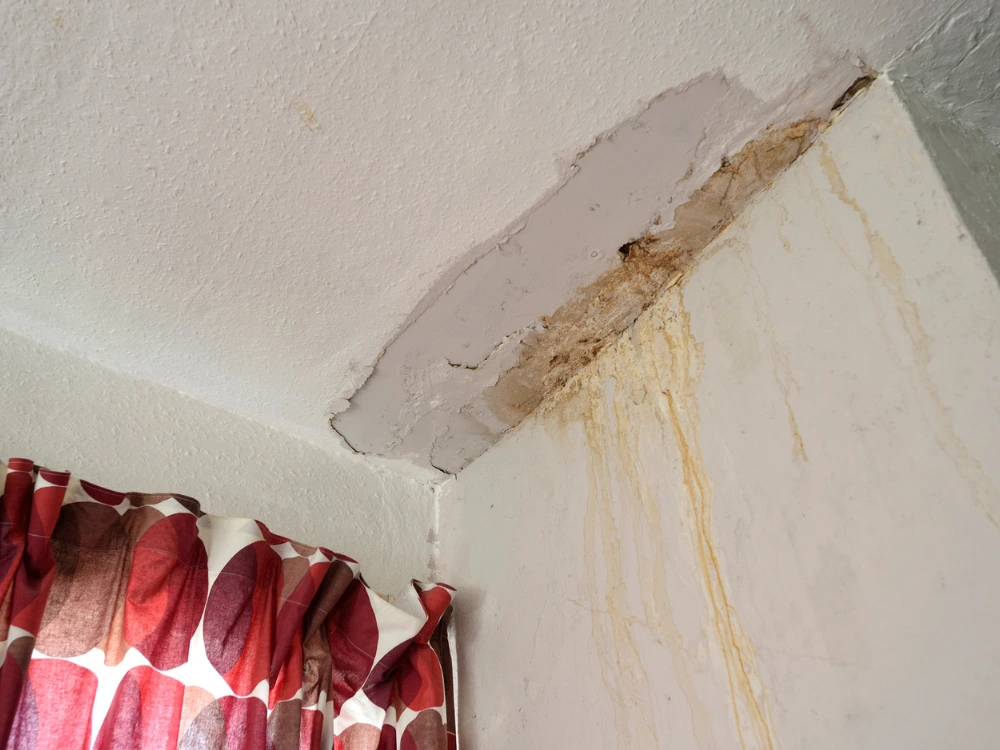
You’ve reported it. You’ve wiped it down. You’ve probably bought the sprays, opened the windows and run the dehumidifier. And a few weeks later, the black mould is back, and your landlord still isn’t doing anything.
You’re not stuck. In many cases your landlord has a legal duty to deal with the problem, and there are steps you can take to make them. It’s also worrying, especially if there are children or health conditions in the household, and that worry is completely understandable.
This guide covers why landlords ignore mould, what the law says, and what you can do if yours won’t act.
Why Is My Landlord Ignoring the Mould?
The same excuses come up again and again. Your landlord might say it’s condensation caused by your lifestyle. They might promise to send someone round and never do. They might say it’s a one-off and will clear up in the warmer weather.
The reality is that mould is usually a symptom of something else. Common causes include leaks, poor ventilation, failing windows, inadequate heating and structural defects. The key question is what’s causing it, not who is cleaning it.
Being ignored isn’t acceptable, and it isn’t something you have to put up with.
Is Your Landlord Legally Responsible?
If you rent from a council or housing association, your landlord has legal duties to keep the structure and exterior of your home in repair and to make sure it’s fit to live in. The Homes (Fitness for Human Habitation) Act 2018 requires rented homes to be fit for people to live in throughout the tenancy. A home with serious mould that’s affecting your health may not meet that standard.
Social landlords must also follow Awaab’s Law. These rules have been in force since 27 October 2025 and focus on damp and mould hazards alongside all emergency hazards. They set fixed timescales for investigating and dealing with serious hazards, rather than leaving tenants waiting. The rules widen further from 30 November 2026.
So if you’ve reported a serious damp and mould problem and nothing is happening, you’re not just being ignored. Your landlord may be failing in a legal duty. We explain the health side in our guide to the health risks of black mould.
What Counts as Damp and Mould Disrepair?
Damp and mould disrepair covers more than patches on a wall. It includes:
- Black mould on walls, ceilings and around window frames
- Persistent condensation and windows that stream with water
- Leaks from roofs, gutters and pipes
- Rising or penetrating damp
- Missing or broken extractor fans
- Old single-glazed windows and poor insulation
Damp and mould are also often linked to heating problems, as cold rooms attract condensation. If your heating isn’t working, that’s something to raise too.
In many cases, yes.
If you rent from a council or housing association, your landlord has legal duties to keep the structure and exterior of the property in repair and to make sure it’s fit to live in. A home with serious damp and mould that affects your health may not meet that standard.
Social landlords also have to meet the rules known as Awaab’s Law. These have been in force since 27 October 2025 and focus on damp and mould hazards alongside all emergency hazards. They set fixed timescales for investigating and dealing with serious hazards, rather than leaving tenants waiting indefinitely. The rules widen further to cover more hazards from 30 November 2026. rpclegalrpclegal
This applies to council and housing association tenants. It means that if you’ve reported a serious damp and mould problem and nothing is happening, you’re not just being ignored. Your landlord may be failing in a legal duty.

What Should You Do If Your Landlord Won’t Deal With It?
Report it in writing
Send an email or letter, with the date, describing the problem, where it is, when it started and any health effects. Keep copies. If you’ve only reported it by phone or in person, follow it up in writing now.
If you can’t prove you reported it in writing, don’t worry. As long as you did report it, you may still be able to claim.
Document everything
Take dated photos and videos of the mould, leaks and damage. Keep a log of when you reported it and how your landlord responded. If belongings have been damaged, keep them where you can. Note any health symptoms as they appear.
See your GP if your health is affected
If anyone in the household has symptoms, speak to your GP and mention the mould. This matters most for children, older people and anyone with a breathing condition. Medical records can be valuable evidence, and your health comes first.
Use your landlord’s complaints process
Make a formal complaint and keep a record. If you’re a social housing tenant and you’re still not getting anywhere, you may be able to take the matter to the Housing Ombudsman. You can do this alongside a legal claim.
Report it to environmental health
Your local council’s environmental health team can inspect the property and has powers to require action. It also creates an independent record of the problem. It doesn’t affect your right to bring a legal claim.
Get legal advice
If your landlord still isn’t acting, a specialist housing disrepair solicitor can help. You may be entitled to compensation as well as getting the repairs done, and most claims are handled on a no win no fee basis.
What Can You Do at Home in the Meantime?
- Wipe small areas of surface mould with a damp cloth and soapy water
- Open windows where you can, and cut down moisture from cooking, showering and drying clothes
- Avoid dry brushing or disturbing large patches of mould, as that can spread spores
- Take dated photos before you clean
None of this makes it your fault, and your landlord still needs to fix the underlying cause.
What If My Landlord Blames Me for the Mould?
Everyday living creates moisture in every home, and a well-maintained property should cope with that. The question is what the primary cause is. If it’s a leak, missing ventilation, failing windows or poor insulation, that’s the landlord’s responsibility.
Don’t accept the blame without evidence. An independent expert surveyor can inspect the property and identify the cause, and a solicitor can arrange this.
Can You Claim Compensation?
If your landlord has failed to carry out repairs despite being told about the problem, you may be able to bring a housing disrepair claim. There are usually two outcomes: the repairs get done, and you receive compensation.
Compensation can cover:
- The distress, discomfort and inconvenience of living with the problem
- Damage to belongings, such as clothes, furniture and bedding
- Extra costs, such as higher heating bills
- Personal injury, where your health has been affected
The length of time the problem has gone on affects the amount. Every case is different, and a solicitor will give you a proper assessment. Most claims are handled on a no win no fee basis.
Will Making a Claim Put Your Tenancy at Risk?

Don’t let that fear keep you in a home that’s making you ill.
How Long Do You Have to Claim?
Disrepair claims generally have a six year time limit. Personal injury claims, such as those for health problems caused by the mould, have a shorter limit, usually three years.
Don’t wait. Evidence is easier to gather the sooner you act, and you shouldn’t have to live in these conditions any longer than you need to.
How Liberay Legal Can Help
When Beverley contacted us, she had reported damp and mould repeatedly and nobody had come. Her housing association accepted liability without the case going to court, and the repairs were completed within three months. You can read her story on our website.
Every case is handled on a no win no fee basis, so there’s no upfront cost and no financial risk. We explain things in plain English and we’ll always be honest with you about what we think.
Don’t Put Up With It Any Longer
Chasing a landlord who won’t act is draining, especially when it’s your family’s health at stake. You have rights, and we can help you enforce them.
Get in touch with Liberay Legal for a free, no-obligation conversation with our housing disrepair team. You’ll find out where you stand with no pressure to go further.
Visit liberaylegal.co.uk/housing-disrepair or call us on 03330 115 105