


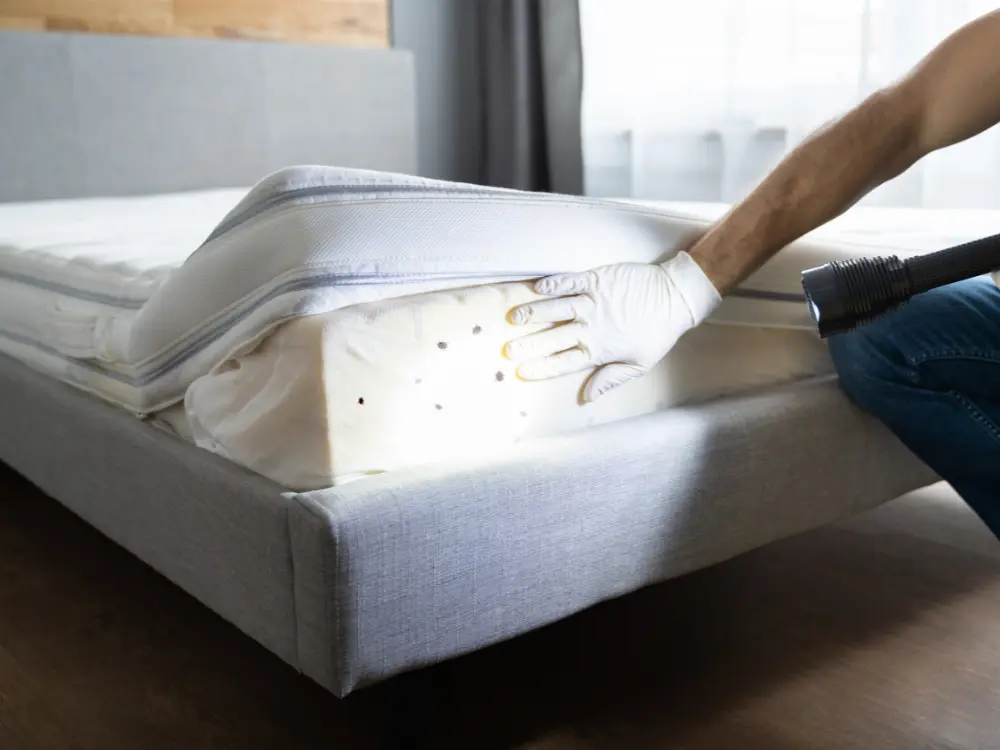
Finding pests in your home is distressing, disruptive and – depending on what you’re dealing with – potentially dangerous to your health. Mice in the kitchen, bed bugs in the bedroom, cockroaches behind the cupboards. None of it should be something you just have to live with.
A lot of tenants assume a pest infestation is their own problem to sort out. They call an exterminator, pay out of their own pocket, and carry on. In doing so, they miss the fact that in many cases the landlord is legally responsible – and the tenant may be entitled to compensation.
The line between tenant and landlord responsibility isn’t always obvious. But the law is clearer than most people realise, and tenants have more rights than they think. Here’s what you need to know.
What Types of Pest Infestations Are Most Common in Rented Properties?
Pest infestations in rented homes come in many forms. The most commonly reported issues in social housing include:
Mice, rats and cockroaches are the most frequent complaint and often the most serious in terms of structural cause and health risk. Bed bugs are increasingly prevalent, notoriously difficult to eradicate, and cause significant distress to those affected. Cockroaches are also closely associated with damp conditions and structural disrepair. Pigeons and other birds nesting in roof spaces or communal areas can cause damage and health hazards. Ants, wasps and other insects can find their way in through structural disrepair that provides entry points.
The type of pest matters, but so does the cause. Both are relevant when working out who is responsible for dealing with it.
Is a Pest Infestation Your Landlord’s Responsibility?
The key question is what caused the infestation. If the answer involves a structural issue – gaps in walls, broken air vents, damaged roofing, defective drains – then fixing that structural problem is the landlord’s legal responsibility. And if damp and mould conditions in the property are attracting pests, that’s similarly the landlord’s problem to address.
Under the Environmental Protection Act 1990, tenants have the right to live in a property that is free from infestations which could be prejudicial to health. This is the landlord’s legal obligation. The Landlord and Tenant Act 1985 also requires landlords to keep the structure and exterior of the property in repair.
There are situations where the infestation may be down to the tenant – poor housekeeping or food waste left in ways that attract pests, for example. But landlords will sometimes use this as a deflection tactic without any real evidence. Don’t accept that argument without pushing back. The question to ask is: what is the primary cause of the infestation?
If any of these sound familiar, your home could genuinely be making your family’s health worse and that’s not something you should simply have to put up with.
When Does a Pest Infestation Become a Housing Disrepair Issue?
When the infestation is caused or worsened by a structural disrepair issue that the landlord has failed to fix, it becomes a housing disrepair issue – full stop.
Classic examples include mice entering through gaps in skirting boards or walls that should have been sealed, rats gaining access through broken drains, and birds nesting through damaged roofing. In every case, the landlord’s failure to fix the underlying structural problem is the key.
It’s also worth knowing that even where the infestation predated your tenancy, if the landlord was aware of it and failed to deal with it before or after you moved in, that can still give rise to a claim.
Damp, mould and pest infestations are also closely connected. Where damp conditions in a property are contributing to a pest problem, both issues may be part of the same claim.
You have the right to a home that will not prejudice your health throughout your tenancy – not just when you first move in. You have the right to have repairs carried out within a reasonable timeframe once you’ve reported them. You have the right to report your landlord to environmental health if they fail to act. And you have the right to seek legal advice and pursue a housing disrepair claim.
Critically, you are also protected from retaliatory eviction for making a legitimate complaint about disrepair. Your landlord cannot lawfully evict you simply because you raised concerns about the condition of the property.

What Should You Do If You Have a Pest Infestation in Your Rented Home?
Report It to Your Landlord in Writing Immediately
This is the single most important first step. Always report in writing – email is perfectly fine – so there is a clear paper trail. Be specific about what you’ve seen, where, and when it started. Keep copies of everything including any responses you receive.
If you’ve already reported the problem verbally, follow it up in writing now and put today’s date on it. That written record is what protects you.
Document Everything
Start building your evidence straight away. Photograph any signs of pests – droppings, damage to food packaging or wiring, nesting material. Note the dates you first noticed the problem and any subsequent sightings. Record any structural issues you can see that might be allowing pests to enter. Keep a log of any health symptoms that develop as a result.
This evidence will be essential if you decide to make a claim – and the more of it you have, the stronger your position.
Give Your Landlord a Reasonable Timeframe to Respond
A serious pest infestation should be treated as urgent. If your landlord fails to respond or refuses to act within a reasonable time, that’s when your legal rights become important. Don’t be put off if your landlord tries to blame you for the infestation without any actual evidence to support that claim.
Report It to Environmental Health
Your local council’s environmental health team has powers to inspect the property and require the landlord to carry out pest control and address any underlying structural issues. This is a useful step to take alongside your legal options – not instead of them. Reporting to environmental health doesn’t affect your right to make a legal claim. You can do both at the same time.
Seek Legal Advice
If your landlord is still failing to act, speaking to a housing disrepair solicitor is the logical next step. You may be entitled to compensation as well as having the infestation eradicated. Most housing disrepair claims are handled on a no win no fee basis, so there’s no financial risk in getting advice.
What Health Risks Do Pest Infestations Cause?
Rodents carry diseases including Hantavirus, Salmonella and Leptospirosis – also known as Weil’s disease. They also cause damage to food stores and electrical wiring, the latter of which creates fire risks.
Bed bugs cause skin irritation, allergic reactions and significant psychological distress – the sleep disruption alone can have a serious impact on daily life and mental health. Cockroaches are associated with Salmonella, E.coli and the triggering of asthma and allergies, particularly in children. Pigeons and their droppings can cause respiratory conditions and in some cases histoplasmosis – a lung infection caused by fungal spores in bird droppings.
Any health impact caused by a pest infestation can form part of a housing disrepair compensation claim. This is particularly significant where children, elderly residents or vulnerable people are affected.
What Is a Housing Disrepair Claim and How Does It Work?
Environmental protection claims can apply to anyone affected by the infestation. Housing disrepair claims apply to tenants of councils and housing associations. All claims at Liberay Legal are handled on a no win no fee basis – no upfront cost and no financial risk to you.
The process works broadly like this: you report the problem, your landlord fails to act, you gather evidence, you get legal advice, and your solicitor takes it from there.
What Compensation Can You Claim For?
Compensation in housing disrepair pest cases covers several areas.
General damages reflect the distress, discomfort and inconvenience of living with a pest infestation. Special damages cover the financial impact – damage to personal belongings, replacement of contaminated food, any medical costs you’ve incurred. Where health has been affected, a personal injury element can also be claimed.
The length of time the problem has persisted is one of the key factors in determining the level of compensation – which is another reason not to delay.
Every case is different, and a solicitor will give you a proper assessment of what yours might be worth. All cases at Liberay Legal are handled on a no win no fee basis.
Will Making a Claim Affect My Tenancy?

The answer is no. Tenants are protected from retaliatory eviction by law. The law provides specific protection for tenants who make legitimate complaints about disrepair. Making a housing disrepair claim does not give your landlord grounds to evict you – and any attempt to do so in response to a legitimate complaint would itself be unlawful.
Don’t let this fear stand between you and the rights you’re entitled to enforce.
Frequently Asked Questions
Is my landlord responsible for pest control in my rented home?
It depends on the cause. If the infestation is linked to structural disrepair – gaps, damaged drains, broken roofing – the landlord is responsible for fixing the underlying problem and dealing with the pests. If the infestation is caused by the tenant’s own actions, responsibility may lie with the tenant. A solicitor can help you work out which applies to your situation.
What if the pest infestation was there when I moved in?
If the landlord was aware of a pre-existing infestation and failed to deal with it before you moved in, you may still have a claim. Get legal advice on your specific circumstances.
Can I withhold rent because of a pest infestation?
No. If you withhold rent, you too are breaching your tenancy agreement and can put your tenancy at risk. There are better legal routes available to you – speak to a housing disrepair solicitor first.
How long does a housing disrepair claim take?
It varies depending on the complexity of the case and how quickly the landlord responds. Many claims resolve within several months. Your solicitor will keep you updated throughout.
What if my landlord says the infestation is my fault?
Don’t accept that without evidence. A landlord needs to be able to demonstrate that your behaviour caused the infestation. If they can’t, that argument won’t stand up. Get legal advice. Your solicitor will obtain expert evidence to address this point.
Will making a claim affect my tenancy?
No. The law protects tenants from retaliatory eviction for making legitimate complaints about disrepair.
Can I claim if I’ve already moved out?
Potentially yes, if the infestation occurred during your tenancy and was reported. Get advice on your specific circumstances.
What if environmental health has already been involved?
Environmental health involvement actually strengthens your position – it provides an independent record of the problem and your landlord’s failure to act. It doesn’t prevent you from making a legal claim.
Don’t Put Up With It Any Longer
Nobody should have to live with a pest infestation in their home – particularly when it’s caused by structural issues the landlord is legally responsible for fixing.
At Liberay Legal, our specialist housing disrepair team handles pest infestation claims for tenants of councils and housing associations across England. Every case is handled on a no win no fee basis – no upfront cost and no financial risk to you.
Get in touch today for a free, no-obligation consultation. Find out where you stand before committing to anything.
Visit liberaylegal.co.uk/housing-disrepair or call us on 03330 115 105.